Loading…
STILL WHOLE
Reclaiming Power. Restoring Dignity. Honoring Our Healing.
Venue: Purple Room (Adult Classroom) clear filter
Thursday, April 16
 

11:00am MDT

Its Never Too Late to Change: Mitigating long-term negative health impact and healing for adult survivors of childhood sexual assault.
Thursday April 16, 2026 11:00am - 12:30pm MDT
This two-part series centers the experiences of Black women and offers a supportive space to understand trauma, its roots, and its impact on the brain, body, and spirit—while exploring practical paths toward healing.
Workshop One introduces the language and provides a foundation for naming harm, recognizing patterns, and understanding that trauma responses are rooted in both history and lived experience.
Participants will:  
- Define trauma and explore where it begins—in personal, familial, communal, and systemic contexts. 
- Learn how trauma affects the body, brain, mind, and spirit.  
- Take a brief look at Post Traumatic Slave Syndrome and intergenerational trauma, including their genetic and behavioral impacts.  
- Reflect through guided journaling on how various forms of trauma may have shaped their own brain, body, and behavior.
 
Workshop Two builds on Workshop One, using the Adverse Childhood Experiences (ACEs) framework to connect early trauma to long-term health and behavior.
Participants will:  
- Examine how childhood adversity shapes belief systems, behavior, relationship patterns, and identity. 
- Explore how trauma impacts neurological development, brain chemistry, hormones, and overall health. 
- Learn about diverse healing modalities that can help mitigate long-term brain, body, and behavioral impacts—especially approaches that honor the experiences of Black women. 
- Close with guided journaling to identify personalized healing commitments and next steps.
This workshop moves participants from insight to intention, offering tools and pathways to support ongoing healing and restoration.
Speakers
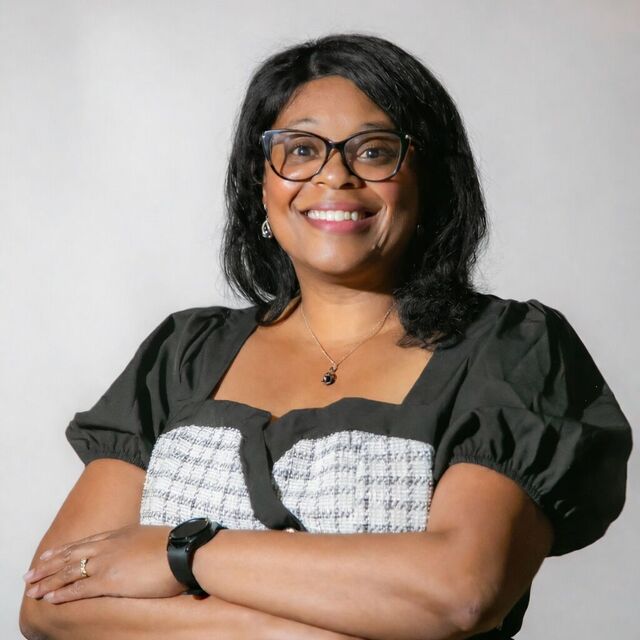
avatar for Rev. Dr. Aleese Moore-Orbih

Rev. Dr. Aleese Moore-Orbih

Principal, Black Impact Strategies
Love 
Thursday April 16, 2026 11:00am - 12:30pm MDT
Purple Room (Adult Classroom)

1:30pm MDT

It’s Never Too Late to Change: Mitigating Long-Term Negative Health Impact and Healing for Adult Survivors of Childhood Sexual Assault Pt. 2
Thursday April 16, 2026 1:30pm - 3:05pm MDT
The session concludes by introducing healing modalities and culturally grounded practices that support restoration, resilience, and self-directed healing commitments. Learning Objectives Participants will: 1. Increase awareness of trauma’s impact on the whole self. Participants will describe how trauma affects the brain, body, mind, spirit, and overall health, including intergenerational and historical trauma. 2. Recognize patterns and connections between past harm and present life experiences. Participants will examine how adversity influences beliefs, behavior, relationships, and identity. 3. Understand the relationship between childhood adversity and long-term health outcomes. Participants will explore the impact of trauma on neurological development, brain chemistry, hormones, and emotional regulation. 4. Identify culturally grounded healing practices. Participants will learn about healing modalities and strategies that honor the lived experiences and resilience of Black women. 5. Move from awareness to intentional healing. Participants will identify personal healing commitments and practical next steps through guided journaling and reflection
Speakers
avatar for Rev. Dr. Aleese Moore-Orbih

Rev. Dr. Aleese Moore-Orbih

Principal, Black Impact Strategies
Love 
Thursday April 16, 2026 1:30pm - 3:05pm MDT
Purple Room (Adult Classroom)

3:15pm MDT

Honoring Wholeness: Trauma-Informed and Spiritually Responsive Support for Survivors
Thursday April 16, 2026 3:15pm - 4:30pm MDT
     Sexual violence impacts survivors not only physically and emotionally, but also spiritually, relationally, and culturally. For many African American survivors, healing is deeply intertwined with faith, spirituality, and culturally rooted meaning-making, yet these dimensions are often overlooked, misunderstood, or handled with caution in service settings. This session invites participants to explore how trauma-informed care can be expanded to include spiritual and cultural responsiveness while maintaining ethical boundaries, consent, and survivor autonomy.


     Building on a spiritual competency framework developed for service providers, this interactive 90-minute session will help participants examine how beliefs, values, and spiritual worldviews shape survivor experiences, coping, and healing. Participants will engage in guided self-reflection, small-group discussion, and case vignettes that highlight common clinical and advocacy dilemmas related to spirituality, power, and survivor safety. Emphasis will be placed on avoiding spiritual harm, recognizing spiritual resilience, and responding respectfully when survivors bring faith or spiritual language into the healing process.


     Through practical tools, discussion, and experiential learning, participants will strengthen their ability to support survivors as whole people, honoring dignity, cultural context, and choice. This session is designed for advocates, clinicians, educators, and service providers seeking to deepen their trauma-informed practice and ethically integrate spiritual awareness into survivor-centered care.
Speakers
avatar for Niki Rhoades

Niki Rhoades

Trauma-Informed Educator | Spiritual Leader, Living Grace Ministries
Trauma-informed educator and spiritual leader committed to survivor-centered, culturally responsive healing. My work centers dignity, consent, and empowerment for individuals and communities impacted by sexual violence.
Thursday April 16, 2026 3:15pm - 4:30pm MDT
Purple Room (Adult Classroom)
 
Share Modal

Share this link via

Or copy link

Filter sessions
Apply filters to sessions.